Virtual Number vs. Second SIM Card: Which Is Better?
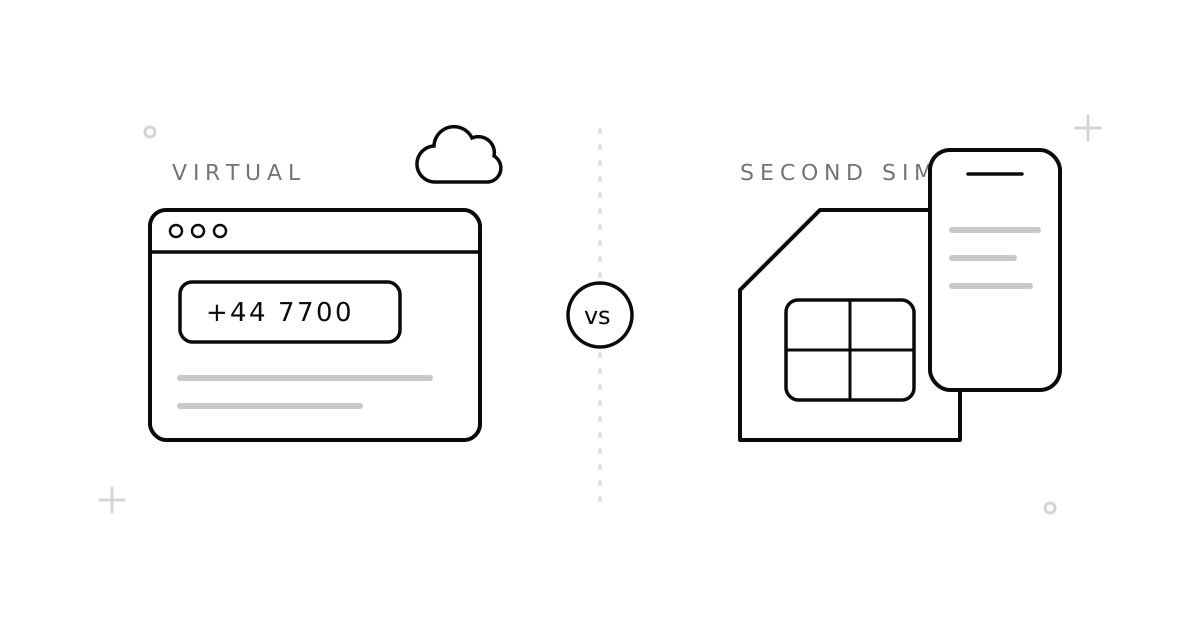
When you need a second phone number, you have two very different options. You can get a second SIM card from a carrier — a real mobile plan with its own number. Or you can use a virtual number that lives on the internet, with no SIM and no contract. Both give you “another number,” but they are built for different jobs.
Here is an honest comparison, including the cases where each one is clearly the wrong choice.
The short answer
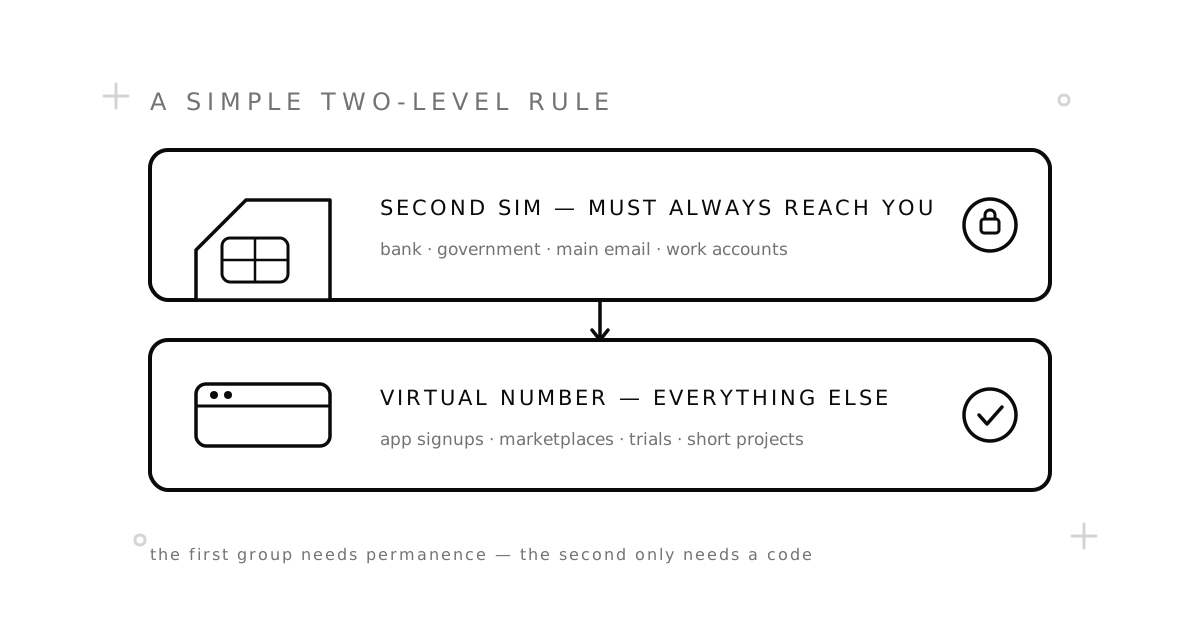
- Second SIM — for important, long-term accounts. Banking, work, government, your main messaging identity. It works everywhere because it is a real carrier number, and you keep it for years.
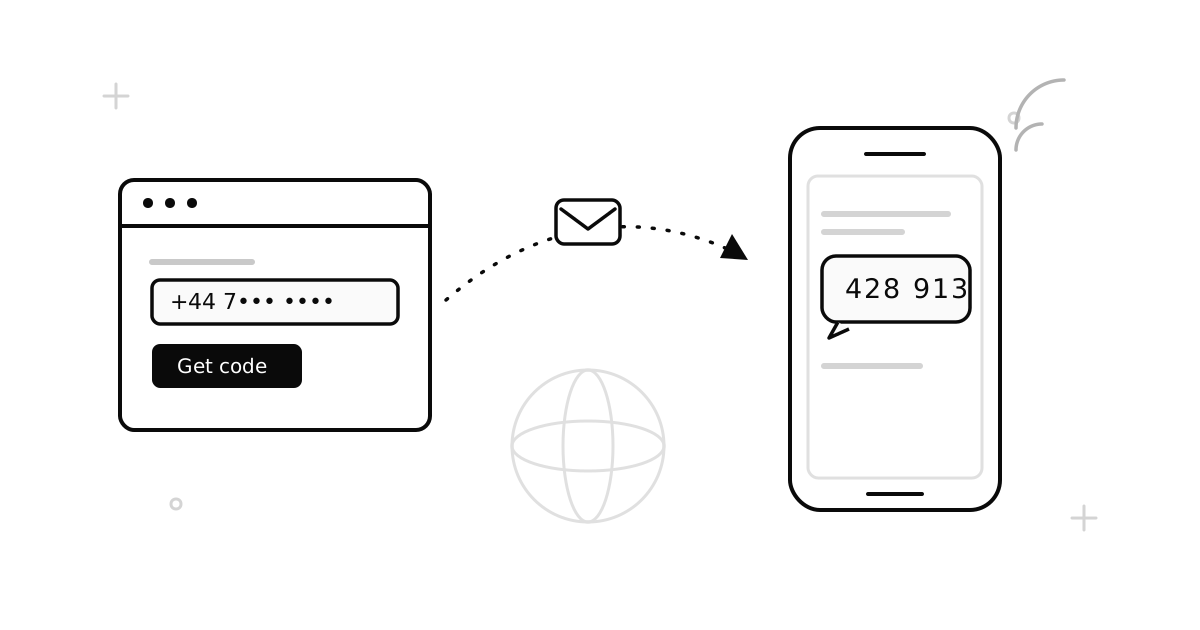
- Virtual number — for verifications, privacy, and short-term needs. Instant to get, cheap per use, available from 100+ countries, and nothing ties it to your identity.
How they compare
| Second SIM card | Virtual number | |
|---|---|---|
| Setup time | Days (shop visit or delivery), or eSIM activation | Under a minute, in your browser |
| Cost | Monthly plan, paid whether you use it or not | Pay per received code, or a short rental |
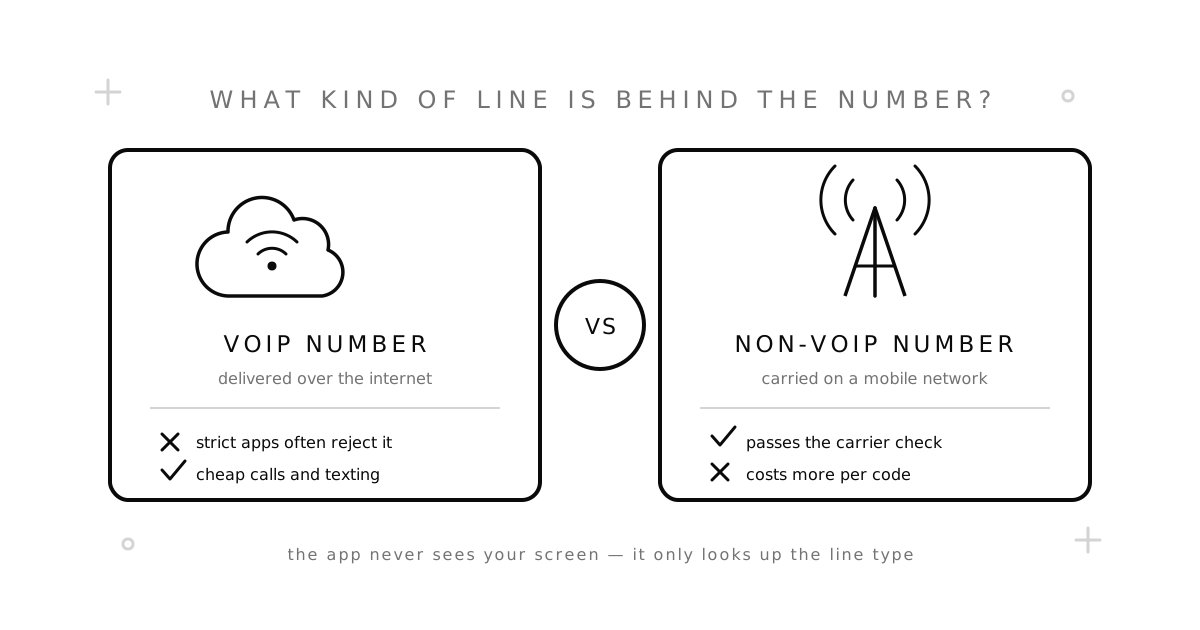
| Accepted by strict apps (banks, WhatsApp) | Almost always | Usually — but some apps block virtual ranges |
| Identity required | Often yes — many countries register SIMs to your ID | No — an email address is enough |
| Other countries’ numbers | Practically no | Yes — pick from 100+ countries |
| Calls and texting people | Yes, full phone service | SMS receiving only, on most services |
| How long you keep it | Years, as long as you pay the plan | One code, or days/weeks on a rental |
Where the second SIM wins
A real SIM is the only safe home for accounts you cannot afford to lose. Recovery codes will keep arriving for years, and no app rejects a normal carrier number for being “virtual.” If you need an everyday second line — for calls, texts, and two-factor codes on serious accounts — a cheap prepaid SIM is hard to beat. Just remember that in many countries, buying a SIM means showing your ID, and the number is registered to you.
Where the virtual number wins
- One-off verifications. A signup code for an app, marketplace, or newsletter takes two minutes with a one-time number — no shop, no plan, no contract.
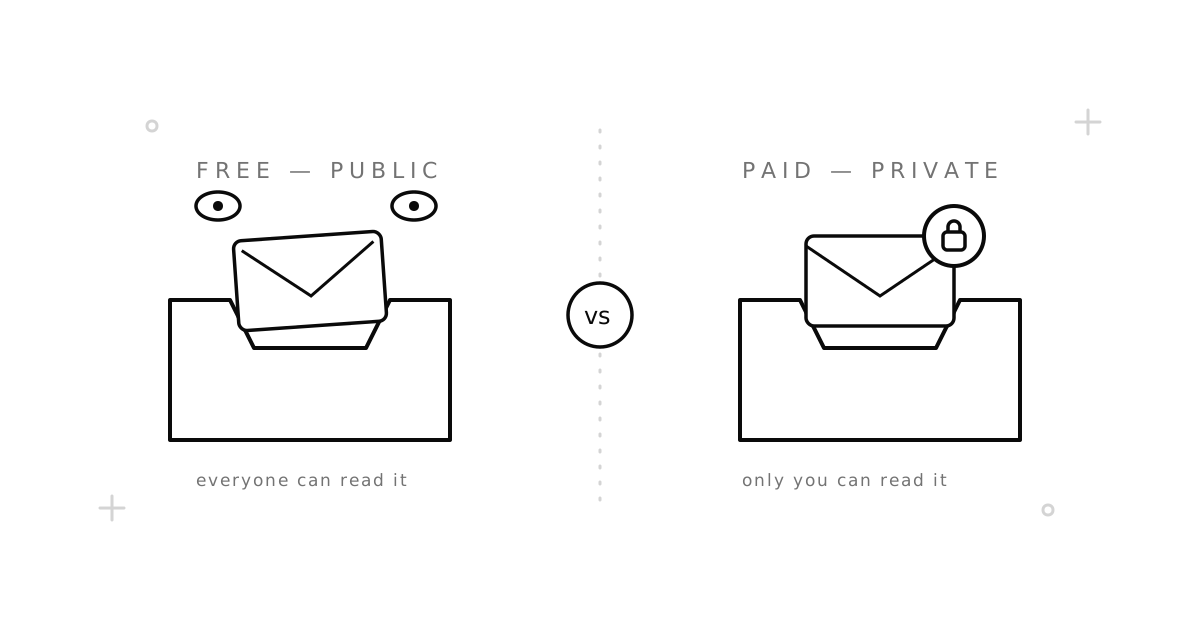
- Privacy. Nothing connects the number to your name. If it leaks into a marketing list, you simply let it go. More on this in our privacy guide.
- Numbers from other countries. Some apps only accept local numbers. No carrier will sell you a foreign SIM in five minutes — a virtual number does exactly that.
- Short projects. Selling something, testing your own app, a two-week side gig. A rental number covers the project and then disappears — no plan to cancel.
The honest limits of each
A second SIM is a commitment: a monthly cost, a contract or registration, and one more thing to keep track of. And it is still just one number — if you need five numbers for five signups, five SIM cards is not a plan, it is a hobby.
A virtual number has two real limits. First, some apps block number ranges they detect as virtual — the fix is usually trying a different country, but it means no service can promise 100% acceptance. Second, a one-time number is released after your code arrives, so it is the wrong home for an account you will need to recover later. On SMSZ you are not charged when no code arrives, so a failed attempt costs nothing.
Common questions
Can a virtual number fully replace a second SIM?
For receiving SMS codes — yes, that is exactly what it is built for. For calls, texting people daily, or accounts your livelihood depends on — no, keep those on a real SIM you will always own.
Which is cheaper?
For a single verification, a virtual number costs a small one-time payment. A second SIM costs a plan every month. But if you need a permanent everyday second line for years, the SIM’s monthly cost buys you something a virtual number cannot: permanence.
Is a virtual number the same as an eSIM?
No. An eSIM is still a real carrier plan, just without the plastic card — same registration, same monthly cost. A virtual number is not a phone plan at all; it is a number you read SMS from, online.
Leaning toward the virtual option? See one-time vs. rental numbers to pick the right type, or browse supported services.